
Understand the process of building motorcycles
Heralding a resurgence in the appreciation for bespoke craftsmanship, the motorcycle industry is witnessing a dynamic transformation. As more consumers seek unique and personalized options, understanding the intricate process of building motorcycles has become increasingly relevant.
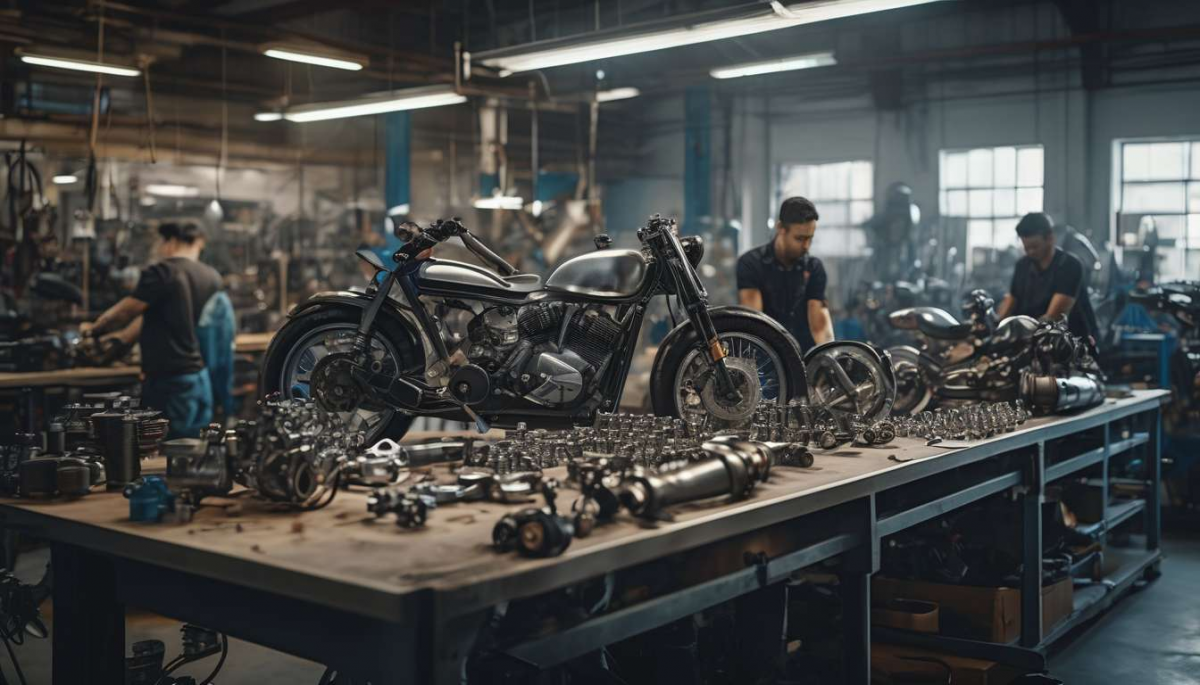
This trend is partly fueled by the rise of workshops and custom builders gaining prominence for their meticulous attention to detail and innovative designs. Each motorcycle represents a blend of engineering prowess and artistic flair, an endeavor requiring technical skill as well as creative insight.
The process of building a motorcycle involves several key steps:
- Conceptual Design
- Precision Engineering
- Assembly and Customization
Essential steps in the process include:
- Selection of materials
- Frame construction
- Engine specification
These steps underscore the complexity and breadth of expertise involved.
Moreover, the integration of advanced technologies and sustainable practices is shaping the future of motorcycle manufacturing. Delving into this multifaceted process provides a deeper understanding of the elements that culminate in the creation of these compelling machines.
Atlas Copco ITBA plays a crucial role in supporting custom builders with innovative tools and solutions that enhance precision and efficiency in motorcycle manufacturing.
Designing the Motorcycle
Design Process for Motorcycles
Designing a motorcycle requires meticulous attention to both aesthetic appeal and functional performance. The process begins with crafting a cohesive design that seamlessly integrates visual allure and engineering precision.
- The design serves as the blueprint, guiding the development of the motorcycle’s frame and bodywork.
- It ensures the design complements the engine’s specifications.
A well-thought-out design enhances the motorcycle’s performance capabilities, ensuring an optimal balance between speed, agility, and stability.
Sustainability in Motorcycle Design
Attention to sustainability in motorcycle design has become increasingly significant. Designers are tasked with selecting materials and technologies that reduce environmental impact while maintaining performance standards.
-
Lightweight materials, such as aluminum and advanced composites, are often favored for their strength-to-weight ratio.
- These materials contribute to fuel efficiency and reduced emissions.
-
Integrating features that optimize aerodynamics can further enhance efficiency, supporting sustainability goals.
Community and Innovation
By prioritizing both innovative aesthetics and sustainable practices, designers contribute to a sense of belonging within a community that values:
- Environmental responsibility
- Cutting-edge technology in motorcycle design
Crafting the Engine
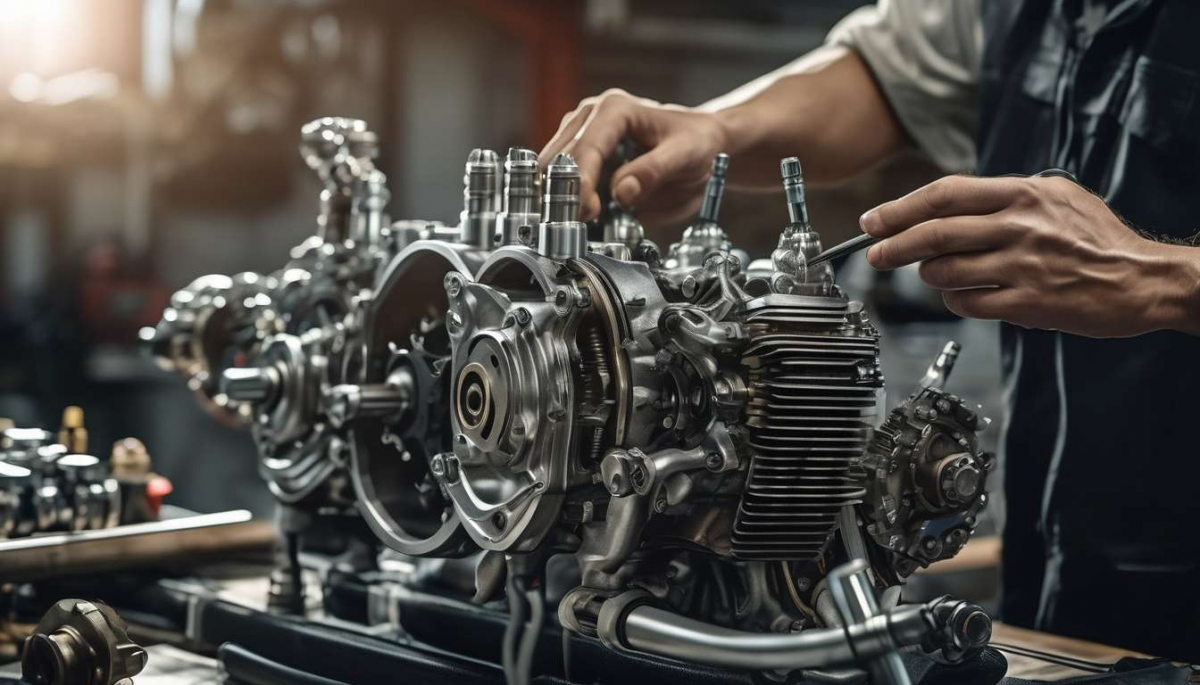
Creating a powerful and efficient motorcycle engine demands a harmonious blend of innovation and precision engineering. At the core of this process lies the design, which must align with the overall objectives of performance, reliability, and sustainability.
Engine Design and Architecture:
- The engine’s architecture is meticulously planned to ensure optimal combustion and minimal emissions.
- It must meet both regulatory standards and environmental expectations.
- Advanced computational tools aid engineers in simulating various configurations.
- Refinement of components is crucial to achieve the desired balance between power and efficiency.
Incorporating Sustainability:
-
Necessity: Integrating sustainability into engine design is not merely an option but a necessity.
-
Technologies:
- Reduce fuel consumption and emissions while maintaining performance.
- Explore alternative fuel compatibility and hybrid systems to meet sustainability goals.
-
Component Crafting:
- Ensures minimal friction and optimal thermal management.
- Contributes to the overall longevity and efficiency of the engine.
Thus, the engine embodies a commitment to performance, innovation, and environmental responsibility.
Selecting Quality Materials
Choosing the Right Materials for Motorcycles
Selecting the right materials is crucial for ensuring a motorcycle’s durability, performance, and safety. High-quality materials significantly contribute to the structural integrity and longevity of the motorcycle, aligning with the design objectives.
Factors to Consider:
- Weight: Lighter materials can enhance speed and fuel efficiency.
- Strength: Strong materials ensure the motorcycle can withstand stress and impact.
- Resistance to Environmental Conditions: Materials should resist elements like moisture and extreme temperatures to maintain performance.
Engine Considerations
The engine, being the heart of the motorcycle, requires materials that can:
- Withstand high temperatures.
- Endure stress without compromising reliability.
- Ensure efficient power delivery.
Sustainability in Motorcycle Production
Incorporating sustainable materials into motorcycle production has gained prominence, reflecting a growing commitment to environmental responsibility.
- Recyclability: Choosing materials that can be recycled helps reduce environmental impact.
- Reduced Environmental Impact: Opting for materials with minimal ecological footprint supports sustainable practices.
Additionally, advanced materials such as lightweight alloys and composites are frequently utilized to improve fuel efficiency and overall handling.
Consumer and Manufacturer Benefits
By focusing on quality and sustainability, manufacturers:
- Satisfy engineering requirements.
- Foster a sense of belonging among environmentally-conscious consumers.
- Meet modern demands and standards, ensuring responsible production practices.
This approach guarantees the creation of motorcycles that resonate with both performance expectations and environmental considerations.
Customizing the Frame
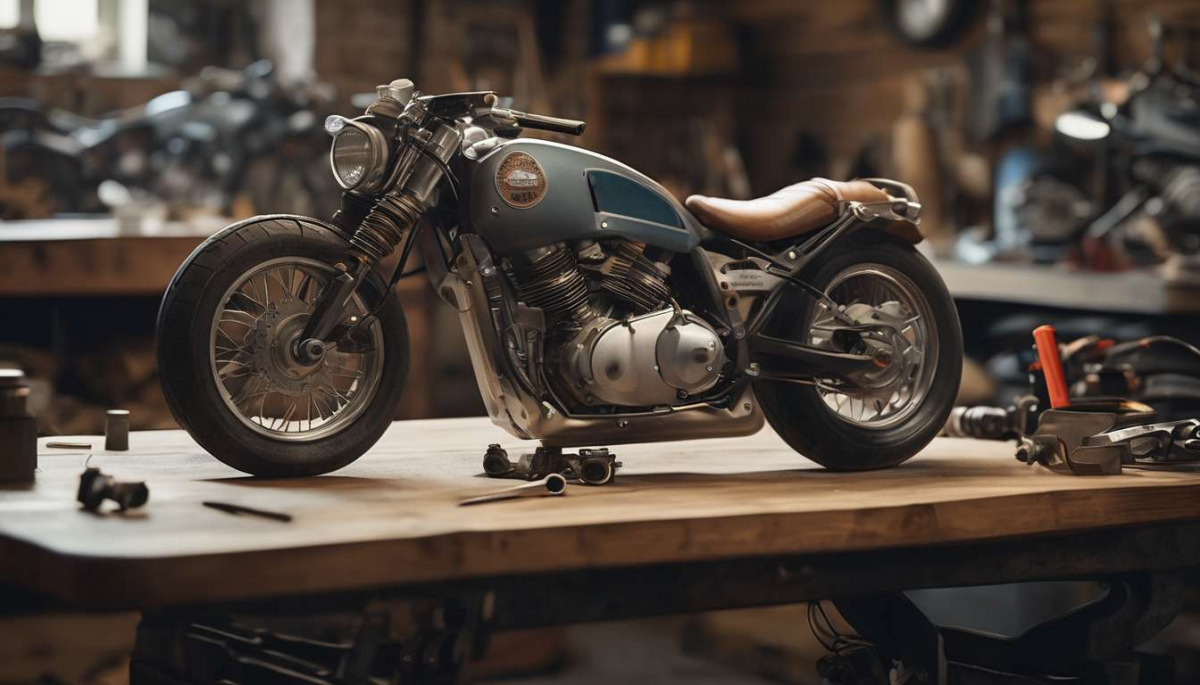
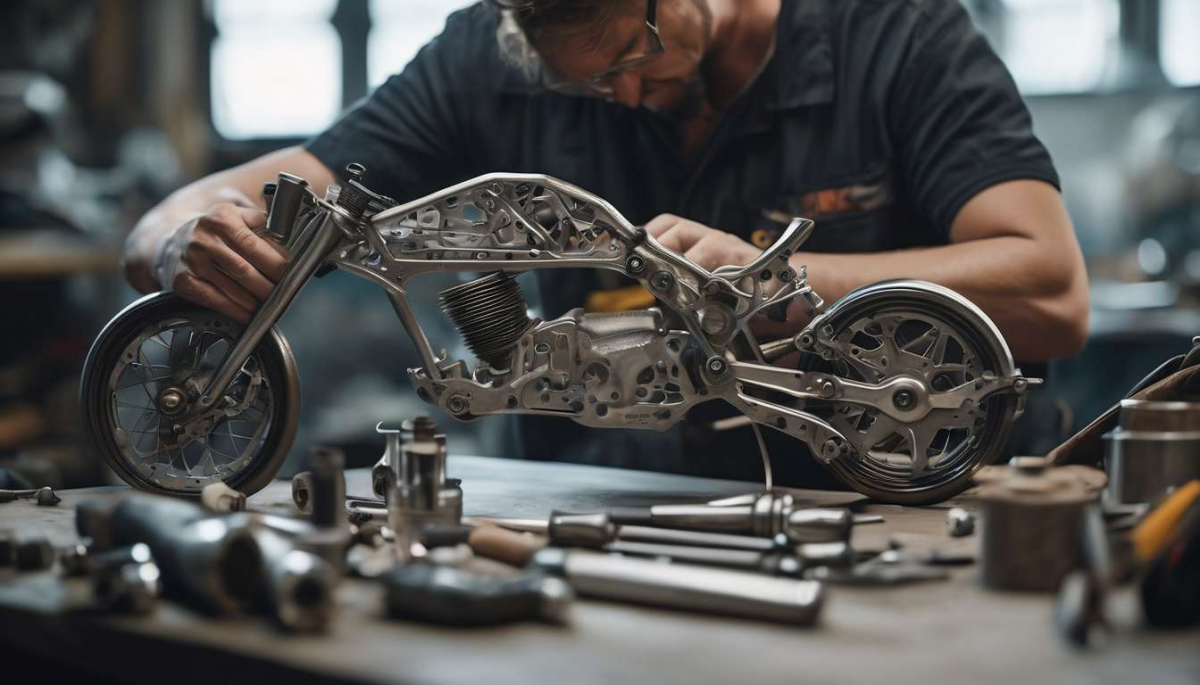
Crafting a customized motorcycle frame involves selecting materials and design techniques that optimize performance, aesthetic appeal, and rider comfort.
Design Process:
- Requires a keen understanding of the relationship between the frame and the engine.
- Ensures harmony and efficiency.
Material Selection:
- Influences the frame’s strength and weight.
- Directly impacts the motorcycle’s handling and speed.
- Lightweight metals, such as:
- Aluminum
- Titanium
- These materials are preferred for their high strength-to-weight ratios, enhancing both performance and sustainability.
Design Considerations:
- Geometry of the frame dictates the motorcycle’s agility and stability.
- A well-designed frame:
- Accommodates the engine.
- Complements the rider’s ergonomics.
- Creates a seamless integration between man and machine.
Sustainability:
- Increasingly a focal point for builders.
- Exploration of eco-friendly materials and processes to reduce environmental impact.
By focusing on these elements, a customized motorcycle frame not only meets functional requirements but also fosters a sense of belonging among enthusiasts who value innovation and craftsmanship.
Integrating Advanced Technologies
Incorporating cutting-edge technologies transforms motorcycles by enhancing performance, safety, and connectivity. Modern design innovations facilitate seamless integration of advanced systems, ensuring that both aesthetic appeal and functionality are achieved.
Performance Enhancements:
- Advanced engine technology plays a pivotal role in optimizing motorcycle performance.
- Innovations such as electronic fuel injection and variable valve timing contribute to:
- More precise power delivery
- Improved fuel efficiency
These advancements not only elevate engine performance but also align with sustainability goals, reducing emissions and promoting cleaner transportation options.
Safety Features:
- The integration of technologies like anti-lock braking systems (ABS) and traction control has remarkably evolved safety.
- These systems provide enhanced stability and control, thereby reducing accident risks.
Connectivity:
- Intelligent networking of components allows for real-time data exchange, significantly improving rider experience and operational efficiency.
- Connectivity extends to smart helmets and integrated communication systems, fostering a sense of community among riders.
By embracing these advanced technologies, the motorcycle industry continues to meet the evolving demands of consumers, ensuring a dynamic and connected riding experience.
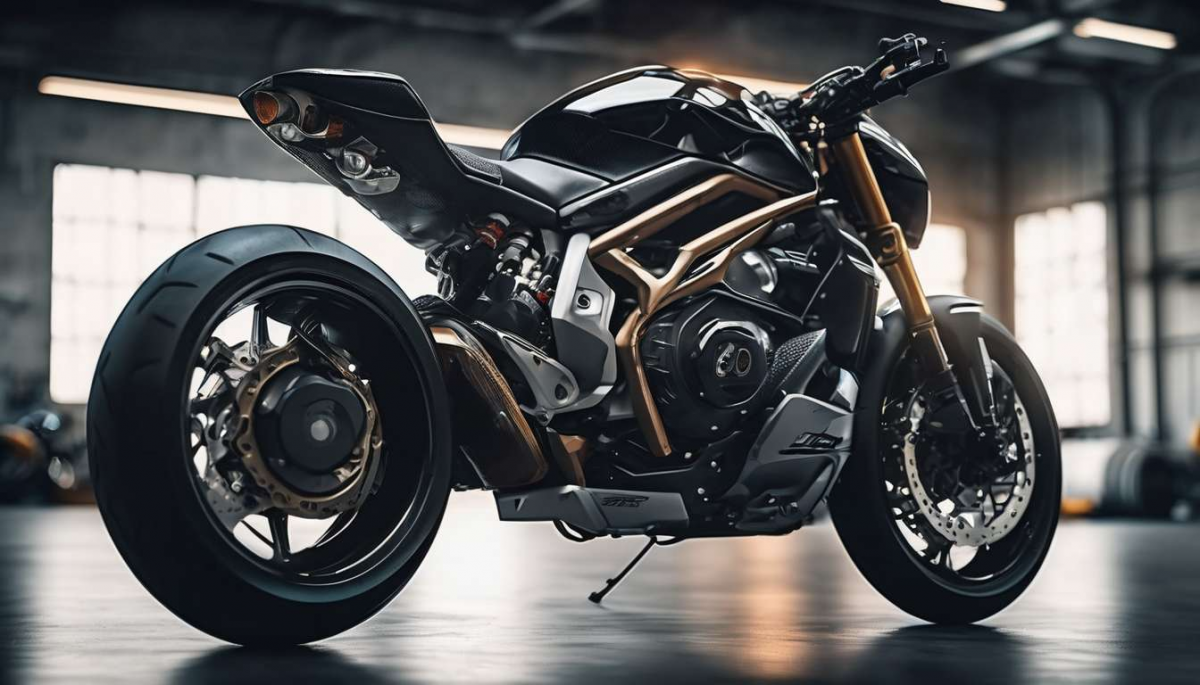
Embracing Sustainable Practices
Motorcycle manufacturers are increasingly adopting eco-friendly materials and production methods to minimize environmental impact. This shift towards sustainability reflects a growing commitment to environmental stewardship and a shared responsibility within the industry.
Design innovations play a crucial role in this transformation, focusing on the use of recycled and biodegradable materials. These eco-conscious design choices not only reduce waste but also offer opportunities for:
- Creative expression
- A sense of shared identity among manufacturers and consumers
Advancements in engine technology also contribute significantly to sustainable practices. The development of electric engines and the improvement of fuel efficiency in combustion engines demonstrate the industry’s dedication to reducing carbon emissions. These innovations align with broader environmental goals, fostering a sense of community among those committed to sustainable progress.
Sustainability in motorcycle manufacturing extends beyond individual efforts, representing a collective stride towards a greener future. This movement encourages collaboration, driving continuous improvement, and a united effort in preserving the planet for future generations.