
Advanced automation solutions for the manufacturing industry
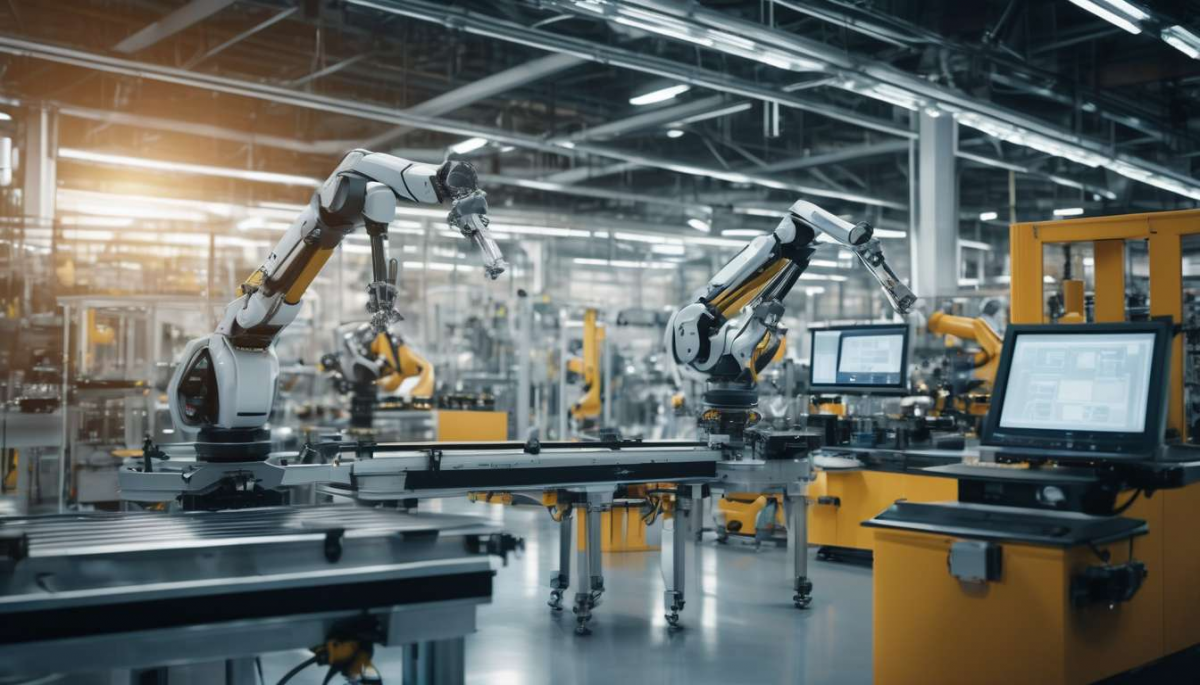
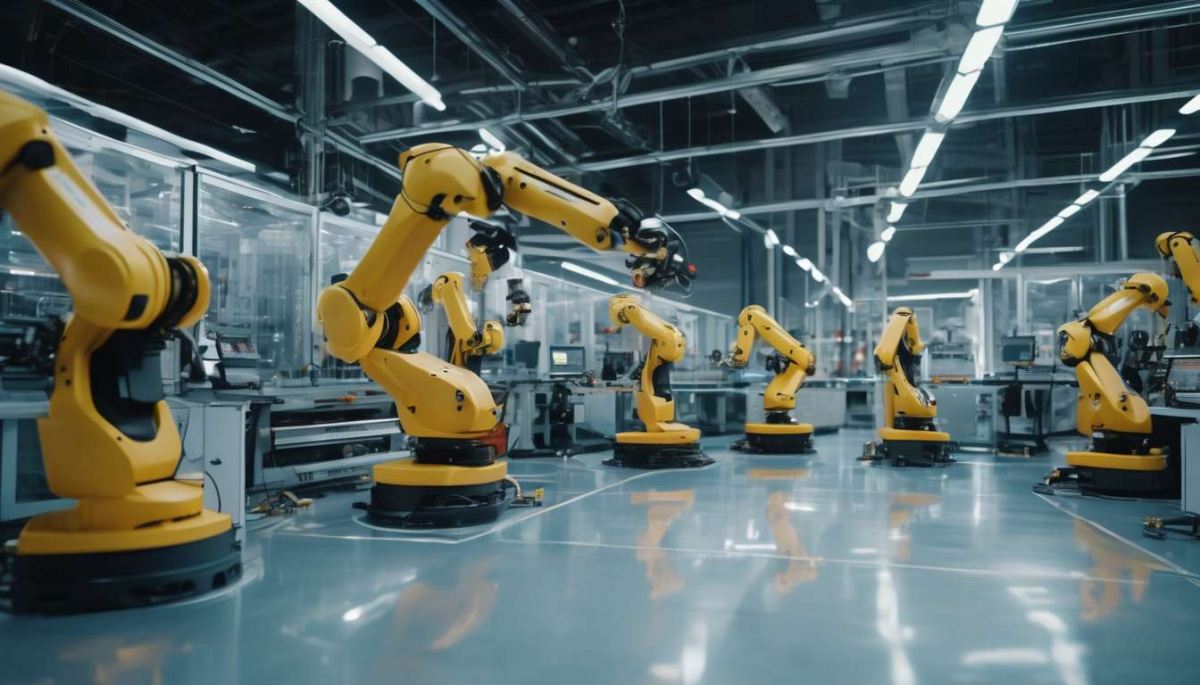
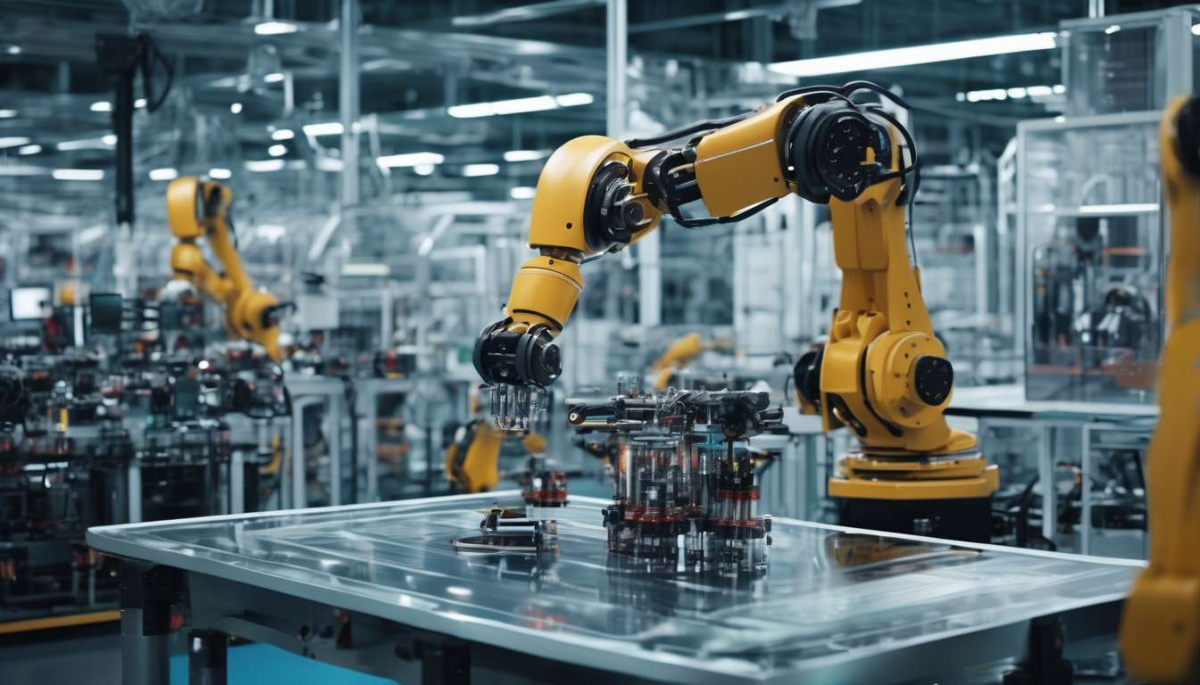
High above the factory floor, a network of interconnected robotic arms moves with precise coordination, assembling products with remarkable speed and accuracy. This scenario is not a glimpse into a distant future, but rather a depiction of how advanced automation solutions are transforming the manufacturing industry today.
As industries evolve, the integration of cutting-edge technologies such as:
- Artificial Intelligence
- Machine Learning
- The Internet of Things
has propelled automation to new heights. These advancements enable manufacturers to:
- Optimize operational efficiency
- Enhance production quality
- Reduce costs
By automating repetitive tasks, human workers are alleviated from monotonous duties, allowing them to focus on more strategic activities that drive innovation and growth.
The shift towards such sophisticated automation solutions is reshaping the competitive landscape, making it imperative for manufacturers to adapt swiftly.
This exploration delves into the transformative impact of advanced automation on the manufacturing sector and its implications for the future economy.
For further insights into the transformative power of automation in manufacturing, this page gives you good information on the latest trends and technologies driving the industry forward.
AI Revolutionizing Manufacturing
AI is transforming the manufacturing industry by enhancing efficiency, improving quality control, and reducing operational costs.
Integration of AI with IoT
The integration of AI with the Internet of Things (IoT) is pivotal in achieving operational efficiency. By collecting and analyzing data from connected devices, AI enables real-time monitoring of machinery and production processes. This leads to minimized downtime, as predictive maintenance can be employed to address potential issues before they escalate into costly disruptions.
AI-Driven Automation
AI-driven automation optimizes workflow by streamlining operations and reducing the need for manual intervention. Through intelligent process automation, manufacturers can:
- Achieve higher throughput
- Ensure consistent product quality
AI systems analyze production data to identify patterns and anomalies, ensuring adherence to quality standards and reducing the likelihood of defects.
Continuous Improvement and Innovation
Incorporating AI and IoT into manufacturing processes fosters a culture of continuous improvement and innovation. This not only enhances the competitive edge of manufacturers but also aligns them with industry standards, contributing to a sense of belonging within the global manufacturing community.
Machine Learning in Production
Machine learning significantly enhances production processes by enabling systems to learn from data and make informed decisions without explicit programming. This technology, when integrated with AI and IoT, drives unprecedented operational efficiency in the manufacturing sector.
Key Benefits of Machine Learning in Manufacturing:
- The ability to analyze vast amounts of data in real-time facilitates predictive maintenance, reducing downtime and optimizing resource allocation.
- Machine learning algorithms empower systems to:
- Detect anomalies
- Forecast trends
- Adapt to changing conditions
This ensures seamless production workflows.
Fostering Community and Innovation:
Incorporating machine learning into production processes fosters a sense of belonging within the manufacturing community by aligning with industry standards and embracing innovation. It supports the development of smart factories, where interconnected machines communicate and collaborate to improve productivity and product quality.
This collaborative environment nurtures a culture of continuous improvement and resilience, essential for thriving in a competitive market.
Long-term Benefits:
By prioritizing machine learning, manufacturers can achieve a harmonious integration of AI and IoT, leading to sustainable growth and long-term success in the industry.
IoT’s Impact on Automation
The integration of IoT in manufacturing automation transforms operational processes by enabling real-time data exchange and enhancing system connectivity. This advancement facilitates seamless communication between devices and systems, leading to more informed decision-making.
By incorporating AI into IoT frameworks, manufacturers can leverage predictive analytics to:
- Anticipate equipment needs.
- Minimize downtime.
- Optimize production schedules.
IoT’s role in automation extends beyond connectivity by promoting higher levels of operational efficiency.
Smart sensors and interconnected devices:
- Collect and analyze data continuously.
- Allow for immediate adjustments and improvements.
This dynamic approach ensures resources are utilized effectively, reducing waste and energy consumption.
Furthermore, AI-driven IoT systems enhance process accuracy, ensuring consistent product quality and compliance with industry standards.
The collective use of IoT and AI in automation fosters a collaborative environment where technology and human intelligence converge.
This synergy not only streamlines operations but also cultivates a sense of belonging within the workforce, as employees engage with cutting-edge technology to achieve common objectives.
Operational Efficiency Optimization
Streamlining Manufacturing Processes
Enhancing productivity and reducing costs in manufacturing are achieved by ensuring resources are allocated efficiently and effectively. In the quest for operational efficiency, advanced technologies such as Artificial Intelligence (AI) and the Internet of Things (IoT) play pivotal roles.
Role of Advanced Technologies:
Artificial Intelligence (AI)
- Enables real-time data analysis.
- Facilitates informed decision-making.
- Supports predictive maintenance, thereby minimizing downtime.
Internet of Things (IoT)
- Connects machinery and systems.
- Creates an interconnected network that provides valuable insights into production flow and resource utilization.
Benefits of AI and IoT Integration:
By integrating AI and IoT, manufacturers can optimize their operations, leading to significant improvements in efficiency. This integration allows for:
- Dynamic adjustments in production schedules.
- Enhanced inventory management, ensuring optimal resource utilization.
- Continuous monitoring of equipment through IoT sensors to anticipate maintenance needs, thus preventing costly disruptions.
Implementation and Impact:
The implementation of these technologies fosters a collaborative environment where all stakeholders benefit from increased transparency and communication.
Ultimately, embracing AI and IoT contributes to building a more resilient and adaptable manufacturing ecosystem, enhancing operational efficiency across the industry.
Production Quality Enhancement
Elevating production quality demands a strategic focus on precision engineering and stringent quality control measures. This approach ensures that manufacturing processes not only meet but exceed industry standards, fostering a sense of trust and reliability among stakeholders.
Advanced technologies such as Artificial Intelligence (AI) and the Internet of Things (IoT) play pivotal roles in enhancing production quality:
- AI-driven analytics offer real-time insights, enabling predictive maintenance and reducing the likelihood of defects.
- IoT devices facilitate seamless communication between machinery, providing continuous monitoring and immediate feedback to maintain operational efficiency.
Implementing these technologies enhances the accuracy and consistency of production lines, leading to superior product quality.
Furthermore, incorporating AI and IoT into quality control systems allows for:
- Early detection of anomalies
- Minimizing waste and rework
By leveraging these innovations, the manufacturing industry can achieve heightened levels of precision, ultimately contributing to a reputation for excellence and fostering a community centered around quality and reliability.
Cost Reduction Strategies
Implementing Strategic Automation Solutions
Implementing strategic automation solutions significantly cuts costs in manufacturing by streamlining processes and reducing manual labor requirements.
Integration of AI and IoT Technologies
The integration of AI and IoT technologies enhances operational efficiency, offering a competitive edge in today’s dynamic market. These technologies optimize resource allocation, monitor equipment performance in real-time, and predict maintenance needs, thereby minimizing unexpected downtimes and associated expenses.
Benefits of AI-Driven Analytics and IoT Devices
AI-driven analytics enable manufacturers to make data-informed decisions that enhance productivity and reduce waste.
IoT devices provide valuable insights into production lines, allowing for precise adjustments that further decrease operational costs. This approach ensures that resources are utilized effectively, promoting sustainability and cost-effectiveness.
Empowerment Through Technology
The adoption of advanced automation facilitates a cohesive environment where team members feel empowered by technological support, fostering a sense of belonging within the organization.
Focus on Cost Reduction and Sustainable Growth
- Cost reduction through automation benefits the bottom line.
- Aligns with the collective goal of sustainable growth and innovation.
Ultimately, these strategies position manufacturers as leaders in an increasingly automated industrial landscape.